The movie Zero Dark Thirty was produced and made for the purpose of creating a story while educating people about one of the most famous times in American history: 9/11 and the killing of Osama Bin Laden. With this in mind, the topic of terrorism was a touchy subject in America at the time that this movie was created. Because of this, as well as some other factors, I believe that Zero Dark Thirty was the most historically accurate a movie could be without being a documentary.
While the movie mainly focused on telling the heroic story of the killing of the Osama Bin Laden, it focuses heavily on a certain issue that was also questionable at the time: torture methods. At the time, waterboarding was considered extremely controversial, and caused a plethora of debate between people. The film didn't necessarily make a statement on their belief with torture, but rather addressed the issue and the controversy around it. This shows a huge dedication to their agenda to tell the story, and not make a narrative as apparent. Not only was the controversy addressed, but it was correctly referenced as well. In the film, there were three different scenes with three different interrogations that used waterboarding. According to a BBC article on this subject, exactly three Al-Qaeda members were actually interrogated using waterboarding. This further emphasizes their want to remain neutral on the topic, while still sticking to the facts.
The biggest, and arguably the most important, part of the film was the final thirty minutes. This was the part where they showed Operation Neptune Spear: the SEAL operation responsible for the killing of Osama Bin Laden. This definitely stood out to me when considering the historical accuracy of the movie, mainly because the entire film was leading up to it. After doing a good amount of research, I concluded that the portrayal of Operation Neptune Spear in the film was spot on to the actual event. While there were certain things that had to be left out to spare the audience from gruesome details, the parts that were left in the film were crucial, and thus represented perfectly. These parts include one of the two Black Hawks crashing, the amount of deaths and people in the actual compound, and the layout of the compound itself. One thing that was left out of the film for good reason was the plethora of porn found in the compound. If this would have been included in the film, it would have distracted from the story, and could have caused detriment to the rating of the movie itself. While this detail was true and real, I don't believe that it was important enough to the retelling to include it, which shows a good decision on the productions part.
One of the most apparent themes in the film was the theme of government process. Operation Neptune Spear was an operation that was almost completely based on a whim, and was executed against the odds. And the reason that the movie turned out so well is because they took advantage of the underdog scenario that actually happened, and amplified it. This made the movie more powerful as entertainment, while also showing people that this time in history was actually a powerful moment.
The more recent the history is, the more touchy the subject can be. The previous three movies that we watched were all about events that were not nearly as close in time as 9/11, therefore not as difficult to write and make a movie about. In the case of Zero Dark Thirty, the history is incredibly fragile. Because of this, the writers and producers had to be extra careful about their narrative with this film, which, i believe, is the reason that this film was so well done. It retold a story of heroic nationalism, and took advantage of the story-like aspect of the actual event, which in turn made the film quality entertainment, as well as a phenomenal learning experience.
Wednesday, May 17, 2017

Tuesday, May 16, 2017
Post 4: Bibliography
Taylor, Peter. "'Vomiting and Screaming' in Destroyed Waterboarding Tapes." BBC News. BBC, 09 May 2012. Web. 16 May 2017.
I used this to get a general basis of understanding the controversy behind the concept of waterboarding.
"Operation Neptune." OPERATION NEPTUNE SPEAR - Details of Mission, Pictures, Maps, Killshot Images from Bin Ladens Pakistan House in Abbotabad. N.p., n.d. Web. 16 May 2017.
This was used to get a general basis on what the event of Operation Neptune Spear was actually like. WARNING GRAPHIC IMAGES IN THE LINK ABOVE
Hays, Jeffrey. "OSAMA BIN LADEN AT HIS COMPOUND IN ABBOTTABAD." Facts and Details. N.p., n.d. Web. 16 May 2017.
This was used to get a more in depth look at Osama Bin Laden and life in the compound.
Post 2: Exhibit
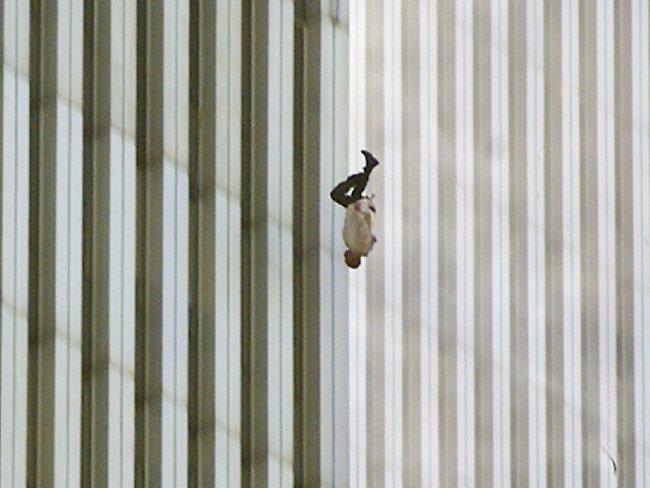 |
| A controversial photograph showing a man falling from the World Trade Center. This photograph was taken to show Americans why they should never forget the events of 9/11 |
 |
| A more large scale map of the area of Operation Neptune Spear. This shows specific information about the areas, as well as locations and relativity. |
 |
| A famous photograph taken of the "Situation Room", the room of people watching the progress of Operation Neptune Spear |
 |
| A picture of the torture method called "waterboarding" being used |
 |
| An actual map made by the CIA showing the location of Operation Neptune Spear |
 |
| Pictures taken of one of the two modified Black Hawks that crashed upon entry |
 |
| A photograph taken of the compound that housed the infamous Osama Bin Laden. |
Monday, May 15, 2017


Thursday, April 20, 2017
Propaganda
1. Propaganda, in my words, is advertisement that uses specific elements to persuade audiences into doing whatever they say.
2. Link the particular doctrines or principles propagated by an organization or movement.
3. Link In the first image, the colors are very dull and almost sad. The artwork is in a sort of style that seems to suggest gothic tragedy. The font used is very bold and "in your face".
With the second poster, there is no color except for the cross in the background. The poster seems to suggest religious imagery.
The third poster draws attention to the dead soldier in the middle, and the red text at the bottom making the audience feel guilty about not buying liberty bonds. It also emphasizes the harshness of battle with the art style.
4. The artist of the first poster is very clearly to get people to buy government bonds, but they are specifically intending to make the audience feel bad for mothers and children.
The second poster is also presented with a clear intent: to guilt people into giving up "every cent they have" to the government for the war. They also have a target audience: religious people and women.
The third poster has a clear target audience of men, and they also use the guilt tactic to make people feel like they need to give money to the government.
5. The target audience of the first poster is people who have a heart for mothers and children, as well as people who are mothers or who has children.
The second poster seems to target religious people and women.
The third poster is very clearly targeting men, as the dead male soldier is supposed to trigger males into feeling sympathy for him.
6. I feel that taxpayers' money should not be used, mainly because it is not my duty as an American to be convinced of something, therefore I should not have to pay for it.
7. I think that the federal government felt the need to invest in propaganda at the time because they felt that there was a significant amount of convincing to be done. Most of the country was divided by the morality of the situation.
2. Link the particular doctrines or principles propagated by an organization or movement.
3. Link In the first image, the colors are very dull and almost sad. The artwork is in a sort of style that seems to suggest gothic tragedy. The font used is very bold and "in your face".
With the second poster, there is no color except for the cross in the background. The poster seems to suggest religious imagery.
The third poster draws attention to the dead soldier in the middle, and the red text at the bottom making the audience feel guilty about not buying liberty bonds. It also emphasizes the harshness of battle with the art style.
4. The artist of the first poster is very clearly to get people to buy government bonds, but they are specifically intending to make the audience feel bad for mothers and children.
The second poster is also presented with a clear intent: to guilt people into giving up "every cent they have" to the government for the war. They also have a target audience: religious people and women.
The third poster has a clear target audience of men, and they also use the guilt tactic to make people feel like they need to give money to the government.
5. The target audience of the first poster is people who have a heart for mothers and children, as well as people who are mothers or who has children.
The second poster seems to target religious people and women.
The third poster is very clearly targeting men, as the dead male soldier is supposed to trigger males into feeling sympathy for him.
6. I feel that taxpayers' money should not be used, mainly because it is not my duty as an American to be convinced of something, therefore I should not have to pay for it.
7. I think that the federal government felt the need to invest in propaganda at the time because they felt that there was a significant amount of convincing to be done. Most of the country was divided by the morality of the situation.
Thursday, April 13, 2017
Hawaiian: The Legend of Eddie Aikau
From what our history textbooks may convey to us, we receive the American perspective of imperialism. But from the film, we get a new perspective: the point of view from the colonies themselves. This is incredibly interesting because while we might think that the annexation of Hawaii was beneficial, there was another side that was rather closeted. With this film, we get a chance to understand what life was like as a native Hawaiian during the profusion of Americans claiming their land. From Eddie Aikau's perspective, we get to see how his surfing life was affected by these newcomers, and learn that for every story, there is another side that is not always as apparent.
 |
| Eddie Aikau surfing on Waimea Bay |
Monday, April 3, 2017
"How do you analyze a political cartoon?"
So from what I know, I believe that one should go at a political cartoon the same way one would analyze a poem or work of art. Start by pointing out the obvious, making simple observations about the images of the cartoon. Then, continue by identifying what those observations could symbolize in the context of the cartoon. From there, you can infer what the artist is making a statement on, and determine what that statement is.
http://www.loc.gov/teachers/classroommaterials/presentationsandactivities/activities/political-cartoon/cag.html
From what this guide says, I was pretty close to the actual way of doing it, but one major thing I forgot is exaggeration. Political cartoonists use exaggeration as a way to identify specific people by using the most defined features and making them more defined.
1. Some of the first things I noticed about this cartoon were that it made a clear distinction of who represented who. It has Uncle Sam on the left, Emilio Aguinaldo, the leader of the Cuban rebellion, on the group (made clear by his hat on the ground next to him), and the man in the back is Spain. The cartoon also contains a subtitle that is difficult to read, which is from Uncle Sam to Aguinaldo saying, "See here sonny, Whom are you going to throw those rocks at?". This subtitle emphasizes the patronization of the US towards the Cuban rebellion force. The image also shows the power that the US has over Cuba by the physical stature of Uncle Sam.
http://www.loc.gov/teachers/classroommaterials/presentationsandactivities/activities/political-cartoon/cag.html
From what this guide says, I was pretty close to the actual way of doing it, but one major thing I forgot is exaggeration. Political cartoonists use exaggeration as a way to identify specific people by using the most defined features and making them more defined.
 |
| Philippines Conflict Political Cartoon |
 |
| Spanish American War Political Cartoon |
 |
| Colonization Political Cartoon |
2. This cartoon illustrates the United States "protecting" Cuba from Spain as we entered the Spanish-American War. It shows Uncle Sam, representing America, protecting a woman with a label "Cuba" with an American flag, from the Cuban patriots. There isn't too much to say about this one, but it is clear that this represents the United States helping the Cuban rebellion against Spain.
3. This last cartoon is about effect colonization has on the country as a whole. The artists makes it very clear that colonization is holding down the bird that represents the country's freedom, and that the bird cannot fly without both wings. It also emphasizes that Uncle Sam, who in this case represents the US government, is neglecting the broken wing, and is only paying attention to the perfectly good wing.
Tuesday, March 21, 2017
Civil Rights Act of 1964
The main things that the act physically banned was segregation in voting registration, segregation in schools, workplaces, and public accommodations.
As of today, the act is significantly more enforced. But back then, they struggled with the resistance to this act: specifically with the public accommodation clause of the act. The South used the argument that the government should not have any influence on independent businesses and that they cannot force businesses to serve black customers, but ultimately were overruled.
I believe that these sorts of racist behaviors definitely exist today, but the specific actions that are in the Civil Rights Act of 1964 are not. At this point, it comes down to the difference between the equal opportunities that the government is providing and the attitude of the people. The government can only go so far as to create these acts that ban racist behaviors until it begins to infringe on constitutional rights. Then, it is up to the people to end racism.
I felt that the movie definitely shed some light on a subject that I was not previously aware of, and showed me how important this event was in the Civil Rights Movement. It definitely clarifies, for me at least, that this is not just some field trip that we are taking because it is close by, but because it is something that is important on a national, and even global level. I'm expecting that this idea will become even more apparent when I actually get to be in the places that these events occurred.
https://en.wikipedia.org/wiki/Civil_Rights_Act_of_1964#Continued_resistance
As of today, the act is significantly more enforced. But back then, they struggled with the resistance to this act: specifically with the public accommodation clause of the act. The South used the argument that the government should not have any influence on independent businesses and that they cannot force businesses to serve black customers, but ultimately were overruled.
I believe that these sorts of racist behaviors definitely exist today, but the specific actions that are in the Civil Rights Act of 1964 are not. At this point, it comes down to the difference between the equal opportunities that the government is providing and the attitude of the people. The government can only go so far as to create these acts that ban racist behaviors until it begins to infringe on constitutional rights. Then, it is up to the people to end racism.
I felt that the movie definitely shed some light on a subject that I was not previously aware of, and showed me how important this event was in the Civil Rights Movement. It definitely clarifies, for me at least, that this is not just some field trip that we are taking because it is close by, but because it is something that is important on a national, and even global level. I'm expecting that this idea will become even more apparent when I actually get to be in the places that these events occurred.
https://en.wikipedia.org/wiki/Civil_Rights_Act_of_1964#Continued_resistance
 |
| Martin Luther King Jr. |
Wednesday, March 1, 2017
Progressivism Research
"The Public Health Service is in the midst of one of the biggest health programs ever"
"Under the direction of Dr. Louis I. Thompson, the work of eliminating 'health hazards' in the department is going on as the newest branch of activity of the Government service."
Kept saying "hazard" like there was a blurry line between what one would consider a hazard
"Dr. Hugh Cummings, surgeon-general, would like to get authority from Congress to extend the health hazard program of the Public Health Service to every Government department."
Kept capitalizing government as if it is a proper noun. Almost indicates respect
Four steps necessary to allow the health experts to reach a "case" on health hazard elimination
1. Visit must be made from inside worker to an ill employee
2. Report is made outlining the sickness
3. Report card is made telling how long the sickness/what disease it is/if the illness has any relation to the work
4. If it does have to do with the workplace, steps are taken to improve the conditions of the workplace
(supplying more ventilation in the office if fainting spells were under investigation in the office)
Printers of Bureau of Engraving and Printing
reports came into the bureau of ink poisoning
investigations showed that it was because the way that the printers were washed after using the ink that cause skin eruption
eliminated hazard by washing hands with soap and sawdust
Link to Newpaper
I found this incredibly interesting, mainly because instead of reading a textbook that tells you what happens, the newspapers showed what happen which I feel is a great way of getting someone to understand and formulate their own opinion. I learned about actually accounts of health hazards in the progressive era and how it was dealt with, rather than just hearing that there were problems and that they were dealt with. I also found it interesting how the people dealt with the problems: as efficiently as possible. In order to solve the ink to skin irritation issue, they had the workers wash their hands in sawdust, and it apparently worked extremely well. This shows the innovation that went into the progressive era and how much they were thinking forwardly.
"Under the direction of Dr. Louis I. Thompson, the work of eliminating 'health hazards' in the department is going on as the newest branch of activity of the Government service."
Kept saying "hazard" like there was a blurry line between what one would consider a hazard
"Dr. Hugh Cummings, surgeon-general, would like to get authority from Congress to extend the health hazard program of the Public Health Service to every Government department."
Kept capitalizing government as if it is a proper noun. Almost indicates respect
Four steps necessary to allow the health experts to reach a "case" on health hazard elimination
1. Visit must be made from inside worker to an ill employee
2. Report is made outlining the sickness
3. Report card is made telling how long the sickness/what disease it is/if the illness has any relation to the work
4. If it does have to do with the workplace, steps are taken to improve the conditions of the workplace
(supplying more ventilation in the office if fainting spells were under investigation in the office)
Printers of Bureau of Engraving and Printing
reports came into the bureau of ink poisoning
investigations showed that it was because the way that the printers were washed after using the ink that cause skin eruption
eliminated hazard by washing hands with soap and sawdust
Link to Newpaper
I found this incredibly interesting, mainly because instead of reading a textbook that tells you what happens, the newspapers showed what happen which I feel is a great way of getting someone to understand and formulate their own opinion. I learned about actually accounts of health hazards in the progressive era and how it was dealt with, rather than just hearing that there were problems and that they were dealt with. I also found it interesting how the people dealt with the problems: as efficiently as possible. In order to solve the ink to skin irritation issue, they had the workers wash their hands in sawdust, and it apparently worked extremely well. This shows the innovation that went into the progressive era and how much they were thinking forwardly.
Thursday, February 9, 2017
Progress
Progress - onward movement through time
The Progressive Era is from 1890-1920. It was called the Progressive Era because people were in this newly found mood of wanting to improve things, and so society has a phase of business expansion and invention.
Progressives and progressive reforms both want progress obviously, but progressives want new things, and progressive reforms want change.
1. Income Tax
Conservation
Civil Rights Movements
Women Suffrage
2. Trust Busting
3. Alcohol Ban
4. Remove the Political Machine
Wednesday, February 8, 2017
The Future
1. The majority of the predictions were luxury items, and items that deal more with convenience rather than necessity. Some of these things include video phones, cruise ships, building styles, smart watches, and even civilization on space.
2. These things that people were wishing for are definitely on a wishlist, and from the sources I looked at, they were rarely worried about the consequences of this future advancement. People saying more of "I wish I could live on the moon" rather than saying "I'm concerned for the dangers of space exploration.
3. While some of the predictions were a bit far fetched, some were spot on. The ones that I found to be right were primarily building designs. People as far back as the 1960's were envisioning the white, clean based design of the future, filled with solid bright colors and glass. Others predicted things like that tomatoes were going to be grown in a cube shape rather than a sphere as they actually are.
4. One trend that I've seen is the advancement of mass production. People are pulling insane predictions from the fact that mass production is growing. The thought that tomatoes will be cube comes from the idea that they will be mechanically produced rather than grown, and are genetically enhanced to be in a cube shape. People, mainly after the moon landing in 1969, were saying that the amass of space travel will lead to the ability to create civilizations in space.
5. I believe that, with all the advancements that organizations like NASA are making, time travel will be a thing, but it will be made an immediate secret by the government and no one will ever know about it until 100 years after time travel is established.
http://www.craveonline.com/design/872867-15-incredible-predictions-future-made-people-past#/slide/2
http://www.businessinsider.com/predictions-from-the-past-that-came-true-2013-9#bonus-from-2010-humans-arent-the-only-animals-predicting-the-future-a-psychic-cephalopod-predicted-germanys-2010-world-cup-matches-16
http://time.com/3646074/past-predictions-for-the-future/
2. These things that people were wishing for are definitely on a wishlist, and from the sources I looked at, they were rarely worried about the consequences of this future advancement. People saying more of "I wish I could live on the moon" rather than saying "I'm concerned for the dangers of space exploration.
3. While some of the predictions were a bit far fetched, some were spot on. The ones that I found to be right were primarily building designs. People as far back as the 1960's were envisioning the white, clean based design of the future, filled with solid bright colors and glass. Others predicted things like that tomatoes were going to be grown in a cube shape rather than a sphere as they actually are.
4. One trend that I've seen is the advancement of mass production. People are pulling insane predictions from the fact that mass production is growing. The thought that tomatoes will be cube comes from the idea that they will be mechanically produced rather than grown, and are genetically enhanced to be in a cube shape. People, mainly after the moon landing in 1969, were saying that the amass of space travel will lead to the ability to create civilizations in space.
5. I believe that, with all the advancements that organizations like NASA are making, time travel will be a thing, but it will be made an immediate secret by the government and no one will ever know about it until 100 years after time travel is established.
http://www.craveonline.com/design/872867-15-incredible-predictions-future-made-people-past#/slide/2
http://www.businessinsider.com/predictions-from-the-past-that-came-true-2013-9#bonus-from-2010-humans-arent-the-only-animals-predicting-the-future-a-psychic-cephalopod-predicted-germanys-2010-world-cup-matches-16
http://time.com/3646074/past-predictions-for-the-future/
Friday, February 3, 2017
In Class Write
From the beginning of time, all the way until present day, music has been an influence for everyone all around the world. Music has a way of changing individual people, while also changing entire nations. It brings people together, and gives strength to those who have none. Everyone has their own kind of music. Music does different things to different people. The main idea that I'm getting at is that music is powerful. Music is so powerful, in fact, that it can, and has, changed nations. During the turn of the century, music was a primary factor for all of the change that occurred in America. This is because of the mass inclusion that music awoke, the introduction to leisure time that it brought, the general aesthetic that it created, and the comfortable environment it used to welcome immigrants.
History of the Gramophone
This provided so much knowledge into a major invention of the time that had such a massive influence on the effect music had on the urbanization of America.
(Textbook) American History: A Survey
I used Chapter 18 as a guide to what I really was interested in, which is the effect of musical entertainment in a public sense versus musical entertainment in a private, more accessible sense.
(Primary Source Analysis) Maple Leaf Rag
I spent a considerable amount of time listening to, reading the sheet music, and analyzing this specific song, as it was one of the most popular songs around the turn of the century. I used the original data I got from this to further my idea of the strong relationship between music and the urbanization of America.
At this time (1870's to early 1900's), there was an amass of immigrants coming into America. People of all different races, ethnicities, and backgrounds. This, at first, led to a lot of discomfort. People were not exactly comfortable with different, especially in the urban cities. There was a fair amount of prejudice, primarily with African Americans, Mexicans, and Asians. This was obviously not the intended goal of this mass urbanization, but rather a side effect. The country was struggling to find a way to bring people of different ethnic backgrounds together, when a solution started to arise. Art has been quite a segregated field until now. Scott Joplin was a composer in the late 1800's who was African American. He came from a family that always supported music, but couldn't really go anywhere due to their race and the social stigmas of the time. But Scott changed the game. He created something that would soon be a staple of the time: Ragtime. Ragtime is a genre of music that was primarily composed by African Americans, and became popular amoungst people of all races during this time period. Joplin's big break was his composition of one of the most prominent pieces of the time called "Maple Leaf Rag". During this time, you could walk into any saloon and hear one of Joplin's pieces on the piano. As far as inclusions goes, Joplin started a "movement" that would forever change the way people viewed race.
As the turn of the century approached, new ideals were being introduced to the people of America, one of these being the concept of leisure time. A time to relax and have fun was practically unheard of before this time, mainly because the country was still developing as a whole, making work the main priority throughout America. At the turn of the century, the main thing that sparked this concept of leisure time was the fact that so many new people were immigrating, that the amount of workers shot up, while the amount of work time fell. People were now able to enjoy things they would not normally be able to enjoy, one of these being music. Just as this new era was forming, a new invention was also forming. The gramophone was a device that was the start of the something big: music being easily accessible. Before the gramophone, the only way to play music from a device in your home was called a cylinder machine, which played music from these bulky boxes called cylinders. There were several problems with cylinders: they were made of flimsy materials so they were easily broken and worn, they were not mass produced because they were made mechanically, and it was difficult to credit the artist because the only place available for the artists name and the song was on a small piece of paper that was easily misplaced. For this reason, having recorded music accessible in the home was extremely cumbersome and inconvenient. But in 1894, an immigrant from Germany came over to New York, gather a business crew, and started production of the new gramophone under the name "The United States Gramophone Company". The reason that gramophones were such a hit was because it practically eliminated the variables that kept people from enjoying music with cylinder machines. With a gramophone, the records were first made from hard rubber so they were sturdy enough that they were not as easy to break. They were also easier to store than the bulky cylinders, and they had a blank circle in the middle of the record for crediting the artist. The only negative difference between the cylinder machine and the gramophone was that gramophones could not create home recordings like the cylinder machine. This massive invention created this entirely new concept, which grabbed at the heart of urbanization and made this new America a more attractive place to live in.
The reason that people were so insistent on coming to America was the feel. The country promised hope, freedom, and a new life. The rapid growth of urban cities provided opportunity. But you can't simply see a movie and like it's aesthetic without a soundtrack. The sounds of turn-of-the-century America were a catalyst in the rapid growth, and they painted a picture of what it would be like. In order to delve further into this concept, I decided to analyze the previously mentioned "Maple Leaf Rag", written by the King of Rag himself, Scott Joplin. To start off, the piece is written in 2/4 time, meaning that it is twice as fast as the most popularly used and "default" time signature of 4/4. We can already see the correlation between this and the state of the country as a whole: fast. To add to this, the piece is primarily written with eighth notes, which is also twice as short as the "default" quarter note. With the fast time signature and the amass of short eighth notes, we notice another factor that contributes to our understanding of the time, which is the concept of short and fast. A lot is getting done during this time, but it isn't a long process. It all happens relatively quickly. Back to the piece, Joplin uses a lot of drastic note changes. Musicians would look at this piece and almost feel overwhelmed and the amount of distance between each note. This drastic change in pitch, using octaves as his main focus, can definitely be related to the central theme of the time: change. Practically everything that America has had is being changed by the drastic urbanization. Finally, we must talk about the key signature on this piece: A major. This particular key is used mostly in patriotic hymns, mainly because it provides the listener with a feeling of hope and determination. It also happens to be one of the "happiest" sounding keys out there. Joplin is clearly using this to show that this new America is a place of dreams and hope. This is only one of the many pieces that were popular during this time, but this piece was the start of it all.
During the turn of the century, everything was changing for America. In every department, things were becoming more and more advanced, and at some points, this could be overwhelming. It would be especially overwhelming for immigrants, those who would not be used to this certain kind of urban lifestyle. And, of course, they were trying to find comfort in these somewhat stressful times. One way was music. Famous ragtime composer Irving Berlin, who was a German immigrant himself, said, "Syncopation is the soul of every true American. Ragtime is the best heart-raiser and worry-banisher I know." This shows that immigrants found a quick way to cope with the daily stresses of living in urbanized America. As immigrants started to come over, they began maintaining theaters for the purpose of being able to exercise the culture of their homeland: for comfort.
For many reasons, music has been a defining factor in the urbanization and growth of America during the turn of the century. If there was no music, there would be no energy, and, in turn, no hope. If there was no hope, there wouldn't be as rapid immigration, mainly because there wouldn't be this idea of hope associated with this new America. Music made the rapid change bearable and, at some points, enjoyable. It brought people together and created new ideas that were unheard of before. It brought this country together, and gave it a dream to become what it is today.
 |
| An advertisement for gramophones and records from 1900 |
 |
| Small string band from the early 1900's, including a cello, acoustic guitar, and a violin |
 |
| Article from Missouri Newspaper in 1900 about Ragtime Festival |
 |
| Cover for 1902 sheet music by Scott Joplin |

 |
| Scott Joplin, the King of Ragtime |
I used this for a brief summary of what music was like circa 1900
This article gave me a very good starting point at what to hone my research to. (Scott Joplin, Turn of the Century, etc)
This book had a whole chapter (The Rise of Ragtime) dedicated to the rise and "fall" of ragtime, the music of the turn of the century, and specific people and places associated with this turn.
History of the Gramophone
This provided so much knowledge into a major invention of the time that had such a massive influence on the effect music had on the urbanization of America.
(Textbook) American History: A Survey
I used Chapter 18 as a guide to what I really was interested in, which is the effect of musical entertainment in a public sense versus musical entertainment in a private, more accessible sense.
(Primary Source Analysis) Maple Leaf Rag
I spent a considerable amount of time listening to, reading the sheet music, and analyzing this specific song, as it was one of the most popular songs around the turn of the century. I used the original data I got from this to further my idea of the strong relationship between music and the urbanization of America.
Tuesday, January 17, 2017
Peggy Wallace Kennedy's Speech
I found that the most powerful aspect of her speech was the part where she explained how she satisfied Martin Luther King's speech by holding hands with Bernice Kennedy in the same place that George Wallace was standing and not letting people who were not white in. This irony shows that what Martin Luther King wanted was fulfilled with flying colors. While racist is still alive, there is significant improvement from what it once was. I also found it quite powerful that her father became the governor just so he could have power, and that he said he was racist in order to gain that power. It says that power can really corrupt a person and skew people's ideals. It was nice to get a speech from someone who had more of a first hand experience with racism and government in Alabama, rather than someone who has only read about it. The personal stories about the topic definitely added to the feeling and the emotion of the speech.
Subscribe to:
Posts (Atom)